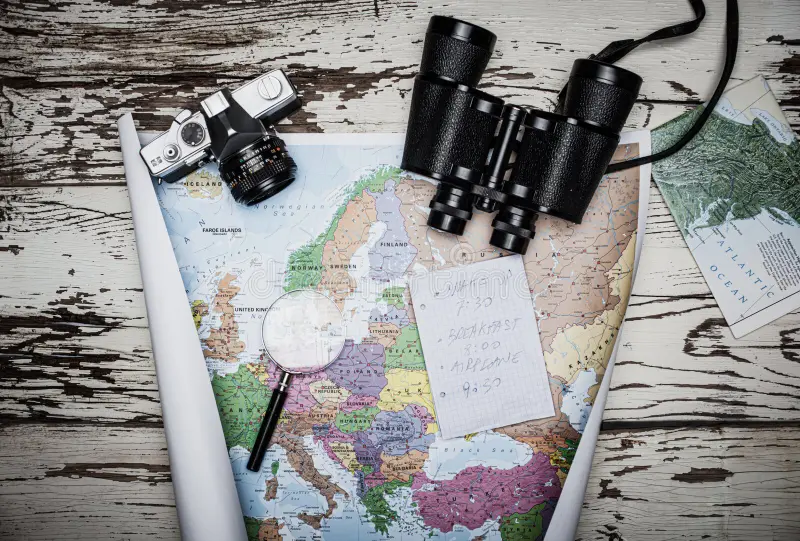

There is a certain kind of traveler who arrives in Tuscany with a plan—and then there is the one who arrives with intention, but no itinerary.
Tuscany rewards the latter.
This is not a place to rush through. It’s a region that reveals itself in pauses, in detours, in the quiet decision to stay a little longer than planned. A week here, without a rigid schedule, becomes less about what you see and more about what you experience.
Day 1: Arrive and Let Go
Most journeys begin in Florence, but resist the urge to “cover” it immediately.
Instead:
- Check into a small hotel or guesthouse
- Walk without a destination
- Sit at a café and simply observe
The goal is not productivity—it’s transition. You’re shifting from structured travel into something slower, more intuitive.
Day 2: Follow the Road, Not the Map
Rent a car. Pick a direction. Drive.
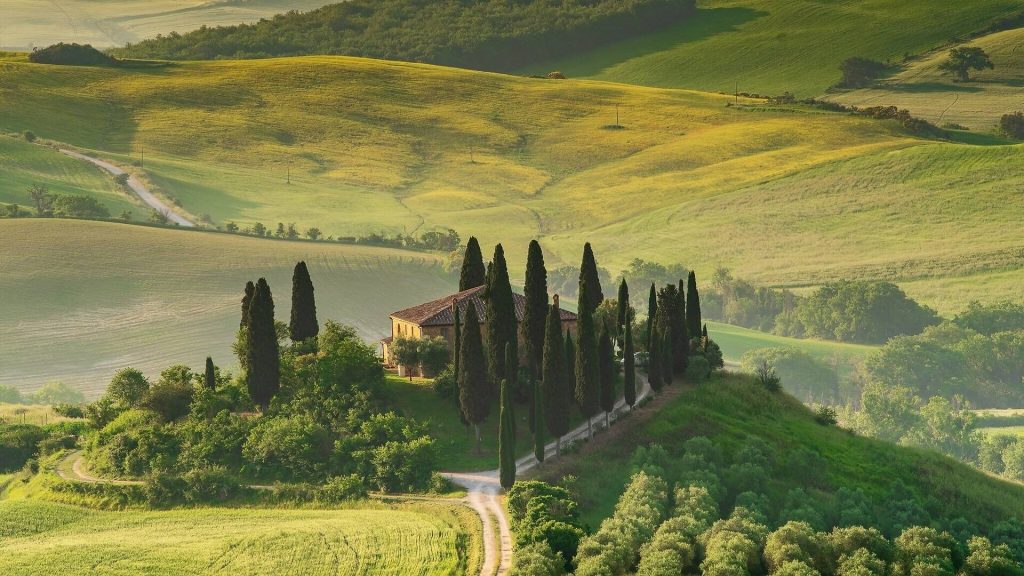
The beauty of Tuscany lies between destinations:
- Rolling vineyards
- Cypress-lined roads
- Hilltop towns that appear without warning
You might pass through San Gimignano or Volterra—or somewhere you’ve never heard of.
Stop when something catches your attention. That’s the only rule.
Day 3: Wine Without the Checklist
Tuscany is synonymous with wine, particularly in regions like Chianti.
But instead of scheduling multiple tastings:
- Choose one vineyard
- Spend time there
- Talk to the people behind the wine
A long lunch, a slow tasting, a conversation that stretches into the afternoon—this is where the experience deepens.
Day 4: The Art of Doing Nothing
This is the day most travelers struggle with—and the one they remember most.
Stay where you are:
- Read by a window overlooking the hills
- Take a walk through olive groves
- Enjoy a meal that lasts hours
Tuscany teaches something subtle but powerful: stillness is not wasted time.
Day 5: A Town You Didn’t Plan For
Perhaps you’ll end up in Montepulciano or Pienza.
Or perhaps somewhere smaller, quieter, unnamed in guidebooks.
Wander:
- Through narrow streets
- Into local shops
- Past doors left slightly open
Let curiosity lead. The absence of an itinerary makes space for discovery.
Day 6: Food as a Daily Ritual
In Tuscany, meals are not interruptions—they are anchors.
Seek out:
- Family-run trattorias
- Seasonal menus
- Dishes that reflect the land
You’ll notice something: simplicity is elevated to an art form. Fresh ingredients, minimal intervention, and time—these define Tuscan cuisine.
Dinner is not just about eating. It’s about arriving fully in the moment.
Day 7: Return, But Differently
End where you began, perhaps back in Florence.
But now, the experience shifts.
The city feels different—not because it changed, but because you did. You’re no longer trying to “see everything.” You’re noticing details:
- Light on stone buildings
- The rhythm of footsteps in narrow streets
- The quiet elegance of everyday life
Why Traveling Without an Itinerary Works Here
Tuscany is not built for urgency.
It’s built for:
- Wandering instead of scheduling
- Depth instead of volume
- Presence instead of performance
When you remove the pressure to optimize every moment, something unexpected happens—you begin to connect more deeply with the place.
The Takeaway
A week in Tuscany without an itinerary is not about doing less—it’s about experiencing more, just differently.
You trade:
- Checklists for curiosity
- Timelines for intuition
- Quantity for quality
And in return, Tuscany gives you something rare: a sense of calm, of connection, of time stretching just enough for you to truly inhabit it.
That is the real luxury.